Fleet Management
What Is Fleet Maintenance Software? Guide for Fleet Owners | LogiBrisk Blog
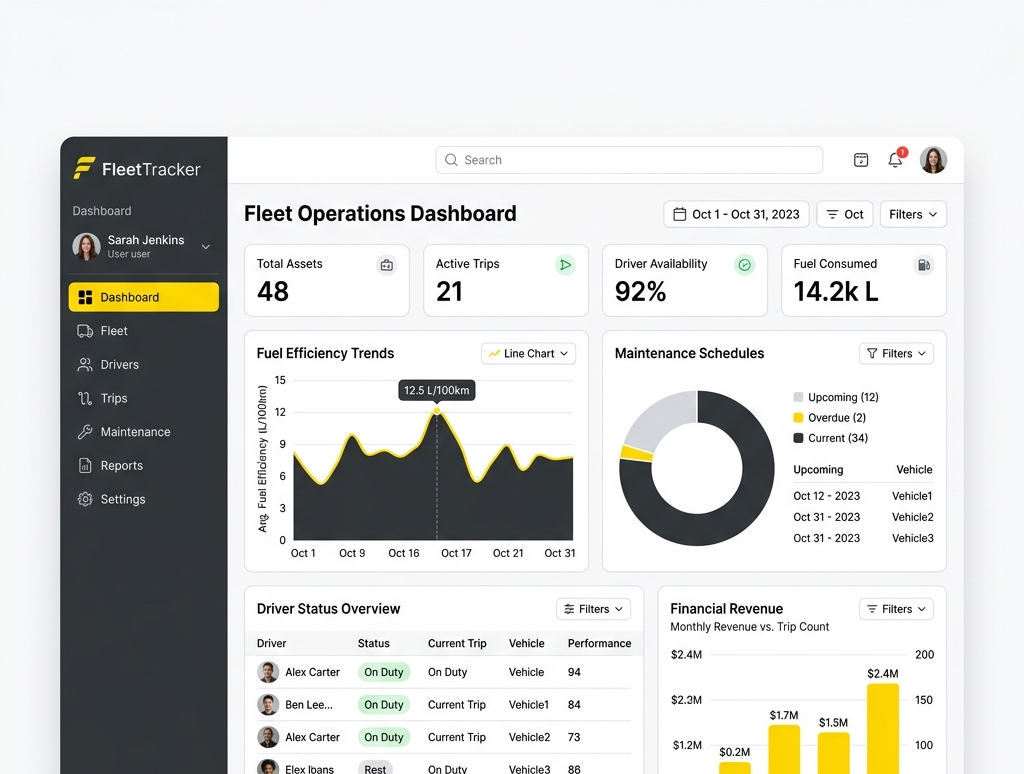
For fleet owners, a vehicle breakdown is more than a repair problem. It can delay deliveries, disrupt schedules, increase operating costs, and affect customer relationships.
A truck that breaks down on the highway can leave a driver stranded, delay a shipment, and force the business to arrange emergency repairs. In many cases, the problem could have been avoided with timely servicing, inspections, or preventive maintenance.
Yet many fleet businesses still manage maintenance through spreadsheets, paper records, phone calls, or WhatsApp messages. This makes it difficult to know which vehicle is due for service, which tyres need replacement, how much is being spent on repairs, or when important compliance documents expire.
Fleet maintenance software gives transport and logistics businesses a centralised way to schedule maintenance, track service history, manage repairs, monitor maintenance costs, and keep vehicles road-ready.
In this guide, we will explain what fleet maintenance software is, how it works, its key features and benefits, and what Indian transport businesses should consider when choosing a solution.
Fleet maintenance software is a digital system that helps fleet owners and transport businesses plan, schedule, track, and manage vehicle maintenance activities from one platform. Instead of maintaining separate records for servicing, repairs, tyres, spare parts, inspections, and compliance documents, fleet managers can manage this information in a centralised system.
For example, a fleet manager can use the software to:
The biggest difference between manual maintenance and software-based maintenance is visibility. Instead of waiting for a vehicle to break down, fleet managers can plan maintenance and identify recurring problems through historical data.
Transport businesses depend on vehicle availability. When a vehicle is off the road, it cannot generate revenue.
Poor maintenance can lead to:
For example, if a truck misses its scheduled service and develops an engine or brake problem during a trip, the business may have to cover emergency repair costs as well as delivery disruptions.
A preventive maintenance approach helps businesses identify upcoming maintenance requirements before they become major operational problems.
Fleet maintenance software helps transport businesses create a structured system for planning, managing, and reviewing maintenance activities across multiple vehicles. Instead of depending on manual records, spreadsheets, or separate tools, it brings maintenance information into one place and helps fleet managers make timely decisions. The main purpose is to move from reactive repairs to planned maintenance, improve vehicle availability, and maintain consistent maintenance practices across the fleet.
Fleet maintenance covers more than just oil changes and tyre rotations. A comprehensive maintenance programme includes:
For Indian fleet operators, compliance and maintenance tracking are both important. Keeping service schedules, vehicle records, and document renewals organised can help reduce avoidable downtime and keep vehicles ready for daily operations.
Fleet maintenance software schedules servicing based on distance, engine hours, or time elapsed. It sends reminders before maintenance is due, helping fleet managers plan service appointments. This reduces missed schedules and makes maintenance easier to manage across multiple vehicles.
The software keeps a complete service history for each vehicle, including service dates, repair details, parts replaced, costs, and technician notes. Fleet managers can quickly review past maintenance activities and identify recurring issues. This also keeps important vehicle records organised in one place, making maintenance tracking easier across the fleet.
Fleet maintenance software allows teams to record breakdown details such as vehicle, location, driver, problem, repair status, and cost. Managers can track the progress of repairs and maintain a log of breakdowns for each vehicle. This helps turn unexpected repairs into useful maintenance records for future planning.
The software helps track tyre usage, rotation, replacement history, and other tyre-related information for each vehicle. It can also help manage spare parts and replacement requirements. This allows fleet managers to plan replacements and keep important parts available when needed.
Driver behaviour can affect vehicle wear, fuel consumption, and maintenance requirements. Fleet maintenance software can connect driver and vehicle performance data with E-commerce Delivery Management Software to identify recurring patterns. This helps fleet managers understand maintenance costs and improve vehicle and driver performance.
Fleet maintenance software provides reports on vehicle-wise maintenance costs, monthly spending, repair trends, and maintenance history. Managers can identify vehicles with higher maintenance expenses and recurring repair issues. These insights help businesses control maintenance budgets and make better vehicle replacement decisions.
Most Indian fleet owners are managing maintenance under significant operational constraints:
Measuring maintenance performance is what separates fleet owners who control costs from those who react to them. The key metrics every Indian fleet operator should track:
Measures the average time or distance a vehicle operates between breakdowns. A higher MTBF generally indicates better vehicle reliability and maintenance performance.
Tracks the total servicing, repair, and parts cost for each vehicle. This helps identify high-maintenance vehicles and control overall fleet expenses.
Measures how long vehicles remain unavailable due to servicing or repairs. Monitoring downtime helps fleet managers improve vehicle availability and operational efficiency.
Compares scheduled maintenance with unexpected repairs. A higher proportion of planned maintenance indicates better maintenance planning and fewer emergency repairs.
Measures tyre expenses against the kilometres travelled by a vehicle. For businesses managing long-distance trips with Full Truckload Management Software, it also helps track tyre costs across vehicles and improve overall tyre management.
Tracks kilometres per litre for individual vehicles. Changes in fuel efficiency can highlight possible maintenance or vehicle performance issues.
Measures the percentage of vehicles with the required documents and certificates. It helps fleet managers monitor compliance and upcoming renewals.
The shift to software-managed maintenance produces measurable improvements across every dimension of fleet operations:
| Factor | Reactive Maintenance | Preventive Maintenance |
|---|---|---|
| Cost | Higher — unexpected repair costs | Lower — planned maintenance costs |
| Downtime | Unpredictable and often longer | Planned and easier to manage |
| Vehicle Lifespan | Can be reduced due to delayed maintenance | Supports longer vehicle life |
| Driver Safety | Issues may be discovered after failure | Maintenance issues can be identified earlier |
| Fuel Efficiency | Can decline due to poor maintenance | Better with regular vehicle maintenance |
| Budget Predictability | Difficult to predict | Easier to plan and control |
| Client Impact | Breakdowns can cause delivery delays | Better vehicle availability supports reliable deliveries |
Logibrisk's fleet maintenance module is built as part of an end-to-end logistics ERP, not a standalone maintenance app that sits separately from the rest of your operations. Maintenance data connects directly to dispatch, billing, and compliance in the same platform.
With Logibrisk, fleet owners can schedule preventive maintenance automatically based on distance or time, receive real-time alerts before service is due, track the complete service history of every vehicle, manage tyre life and parts inventory from one dashboard, monitor driver performance and its impact on vehicle wear, and keep all compliance documents, fitness certificates, permits, and insurance tracked with unified expiry alerts. Last Mile Delivery Management Software can also support businesses where vehicle maintenance is closely connected with daily delivery operations.
Medium fleets, accounting for 20 to 100 vehicles, represent 51% of India's fleet software spending, and Logibrisk is built specifically for this segment. With 360+ enterprises across India trusting the platform and 2.4 Billion+ shipments completed, Logibrisk has managed fleet operations at scale across FTL, PTL, express cargo, last mile, and 3PL operations.
Onboarding takes 5 working days. Your vehicles are entered, maintenance schedules are set, and your fleet team has full visibility from week one.
Indian fleet owners are still losing lakhs every month on fuel waste and premature vehicle wear from poor maintenance planning. Book a Free Demo with Logibrisk and see how fleet maintenance software improves vehicle reliability and cuts costs from day one.
Fleet maintenance is not just about repairing vehicles after they break down. A structured maintenance system helps transport businesses plan servicing, track vehicle health, control maintenance costs, reduce avoidable downtime, and keep important vehicle records organised.
Fleet maintenance software gives fleet managers better visibility into service schedules, repair history, tyres, maintenance costs, and compliance requirements. By moving from reactive repairs to planned maintenance, businesses can make better decisions and keep vehicles ready for daily operations.
For Indian transport businesses managing multiple vehicles, replacing manual maintenance tracking with a digital system can make fleet operations more organised, predictable, and efficient. Businesses that also manage auctions or related transport workflows may benefit from connecting maintenance data with auction management software within their wider logistics technology environment.
Ready to simplify your fleet maintenance? Book a Free Demo with LogiBrisk and explore how its fleet management platform can help you manage vehicles and transport operations from one system.
Fleet maintenance software is a digital platform that helps businesses schedule preventive maintenance, track vehicle service history, manage repairs and tyres, monitor maintenance costs, and keep vehicle records organised.
It helps businesses move from reactive to preventive maintenance by scheduling services on time and tracking repair history. This can help reduce unexpected repairs, control maintenance spending, and minimise vehicle downtime.
Yes. Fleet managers can track tyre installation, rotation, replacement, usage, and other tyre-related information. This helps businesses plan tyre maintenance and replacements more effectively.
Yes. Small fleets can also benefit from maintenance reminders, service history, repair tracking, and vehicle document management. The right solution can help simplify maintenance even when a business manages only a few vehicles.
Common fleet maintenance KPIs include Mean Time Between Failures (MTBF), maintenance cost per vehicle, vehicle downtime, planned vs unplanned maintenance, tyre cost per kilometre, fuel efficiency, and compliance status.
With Logibrisk, logistics companies go live within 5 working days. The team handles system setup, vehicle data entry, maintenance schedule configuration, and training for both fleet managers and drivers.